The Safety Team of One: How AI Helps You Stay Ahead of Risk
August 10, 2026
Real-time leading indicators and conversational intelligence are changing what’s possible for lean EHS teams.
By: Tom West, SPHR, SHRM-SCP, COSS
Not every organization has a large Environmental, Health & Safety department.
In fact, many don’t.
Some have a single EHS professional responsible for multiple facilities, hundreds or even thousands of employees, and every aspect of safety performance. Others have small safety teams stretched thin by inspections, training, investigations, compliance, and continuous improvement initiatives. Many organizations, particularly smaller manufacturers and distributors, don’t have a dedicated EHS professional at all. Instead, safety becomes one of many responsibilities carried by an HR leader, operations manager, plant supervisor, or business owner.
Yet the expectations remain exactly the same.
Prevent injuries. Reduce workers’ compensation costs. Improve employee engagement. Ensure compliance. Support operations. Build a stronger safety culture. And somehow identify emerging risks before someone gets hurt.
The challenge isn’t commitment.
It’s capacity.
No matter how experienced or passionate you are, there’s only so much one person, or even a small team, can see in a day.
That’s why practical, accessible artificial intelligence has become one of the most exciting opportunities in workplace safety.
Not because it replaces safety professionals.
Because it helps them accomplish far more than ever before.
Operational Truth Starts with Better Questions
For decades, organizations have relied primarily on lagging indicators to understand safety performance. OSHA recordables, workers’ compensation claims, incident investigations, audits, and inspections all serve an important purpose, but they share one limitation.
They tell us what already happened.
The real opportunity lies in understanding work as performed while it’s happening.
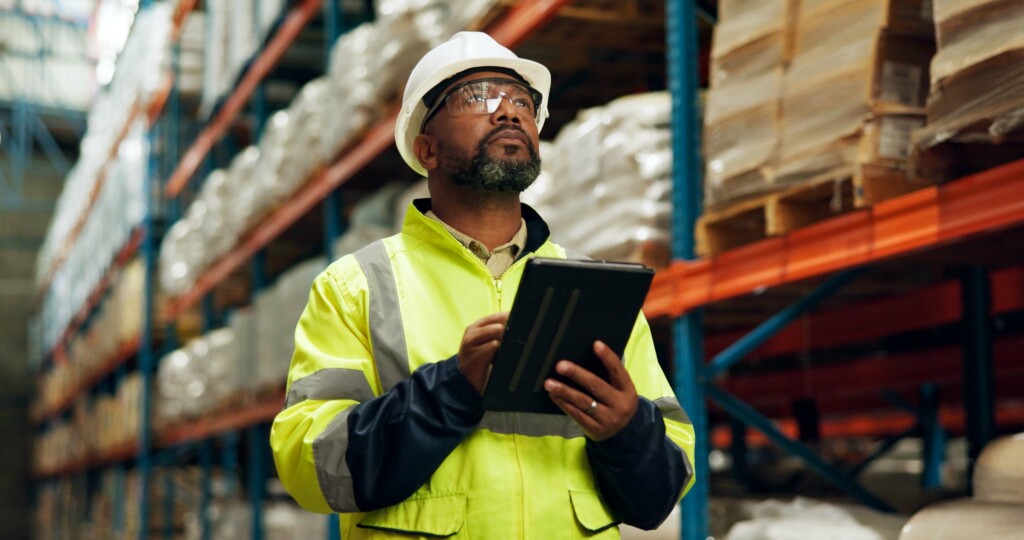
Every day, workers experience changing physical demands, heat exposure, environmental conditions, fatigue contributors, forklift interactions, and countless other factors that influence risk long before an injury occurs. Those experiences create an operational truth that traditional reporting often misses.
Today’s wearable technology makes it possible to automatically capture those leading indicators throughout the workday, creating a real-time picture of what employees are actually experiencing, not what we assume they’re experiencing.
The challenge is no longer collecting data.
It’s making sense of it quickly enough to act.
From Dashboards to Conversations
This is where conversational AI changes the equation.
Instead of spending hours building reports, filtering dashboards, or trying to connect information from multiple systems, leaders can simply have a conversation with their own data.
Questions become as natural as:
- Where should I focus today?
- What changed this past week?
- Which workers experienced elevated physical strain yesterday?
- Are heat exposures increasing on second shift?
- Which work areas are showing repeated forklift interactions?
- What trends deserve attention before they become incidents?
- What corrective actions should I consider?
Within moments, MākuSmart AI analyzes your organization’s own leading indicator data and provides meaningful answers based on your workforce, your operations, and your facilities.
Not generic industry benchmarks.
Not historical averages.
Not someone else’s experience.
Your operational truth.
It highlights where risk is emerging, who may be experiencing elevated exposure, when patterns are developing, which work locations deserve attention, and recommends corrective actions aligned with generally accepted safety practices.
Rather than searching for answers, safety leaders can begin making decisions.
Practical AI for the Real World
Perhaps the most important thing about MākuSmart AI isn’t that it’s powerful.
It’s that it’s practical.
You don’t need to become an AI expert.
You don’t need a data analyst.
You don’t need weeks of implementation or specialized training.
If you can ask a question, you can begin uncovering meaningful insights from your organization’s leading indicator data.
Even better, many of those insights may soon be coming to you automatically.
Something we’re looking forward to offering in the not too distant future is Start Safe, an AI-generated weekly briefing delivered directly to leaders at the beginning of each week.
Before opening a dashboard or running a report, leaders may receive a concise summary highlighting emerging risks, notable trends, changing conditions across work locations, workers or teams that may require additional attention, and suggested priorities for the week ahead.
Imagine arriving Monday morning with thousands of leading indicator data points already analyzed and organized into actionable priorities.
For an EHS professional responsible for multiple facilities, that’s invaluable.
For a lean safety team, it’s like adding another experienced analyst without adding headcount.
For an HR leader balancing safety alongside numerous other responsibilities, it provides confidence that important signals won’t be overlooked.
This isn’t AI for AI’s sake.
It’s conversational intelligence designed to help safety leaders spend less time searching for information and more time improving the work experience for the people they serve.
Helping Lean Teams Deliver Big Results
Technology only matters if it improves outcomes.
Organizations using MākuSafe to better understand work as performed have experienced measurable improvements including:
- Approximately 50% reductions in workers’ compensation claim frequency.
- Up to 90% reductions in claim severity.
- More than 80% reductions in strain and exertion injuries at many locations.
- An 86% reduction in forklift-pedestrian interactions after identifying high-risk traffic patterns.
- Average productivity improvements of approximately 6% per site by improving workflow and reducing unnecessary physical demands.
- Significant increases in frontline observations and employee engagement by making it easier for workers to communicate safety concerns.
- Organizations reporting their strongest workers’ compensation performance in years, with some reducing premiums by as much as 60%.
These outcomes aren’t the result of AI making decisions.
They’re the result of people receiving better information sooner, and acting before incidents occur.
A Force Multiplier for Every Safety Leader
Artificial intelligence is generating headlines across every industry.
But its greatest contribution to workplace safety may be surprisingly simple.
Helping one person perform like a larger team.
Helping experienced EHS professionals identify priorities faster.
Helping lean departments support multiple facilities more effectively.
Helping HR leaders confidently manage safety responsibilities they never expected to own.
Helping operations leaders understand changing workplace risk without spending hours searching for answers.
Most importantly, helping organizations move beyond reacting to yesterday’s incidents and begin managing risk based on work as performed, not simply work as reported.
Whether you’re a safety team of one, part of a small EHS department, or someone who wears multiple hats within your organization, conversational AI makes proactive safety more practical, more accessible, and more achievable than ever before.
Because the most valuable conversation a safety leader can have isn’t with artificial intelligence.
It’s with the operational truth already hidden inside their own data.